More Nigerian businesses are sourcing stock, packaging, electronics, and raw materials through Alibaba's B2B marketplace every month, because the pricing and supplier range beat what is available locally. But how you pay for those orders can sometimes cost you more than the goods themselves once card fees, conversion markups, and transfer delay come into play. This guide covers how Alibaba payments actually work for Nigerian buyers, why cards get declined so often, what it costs to import once the goods land, and how a multi-currency corporate card removes most of the friction.
How Alibaba payments work for Nigerian buyers
Alibaba.com accepts a fixed set of payment methods for Trade Assurance orders: credit card, PayPal, Apple Pay, Google Pay, online transfer, and T/T (bank wire transfer). Which of those appears at your checkout depends on your account region, the supplier, the currency, and whether Trade Assurance covers the order.
For Nigerian buyers specifically, two of those options carry a problem the checkout screen won't warn you about:
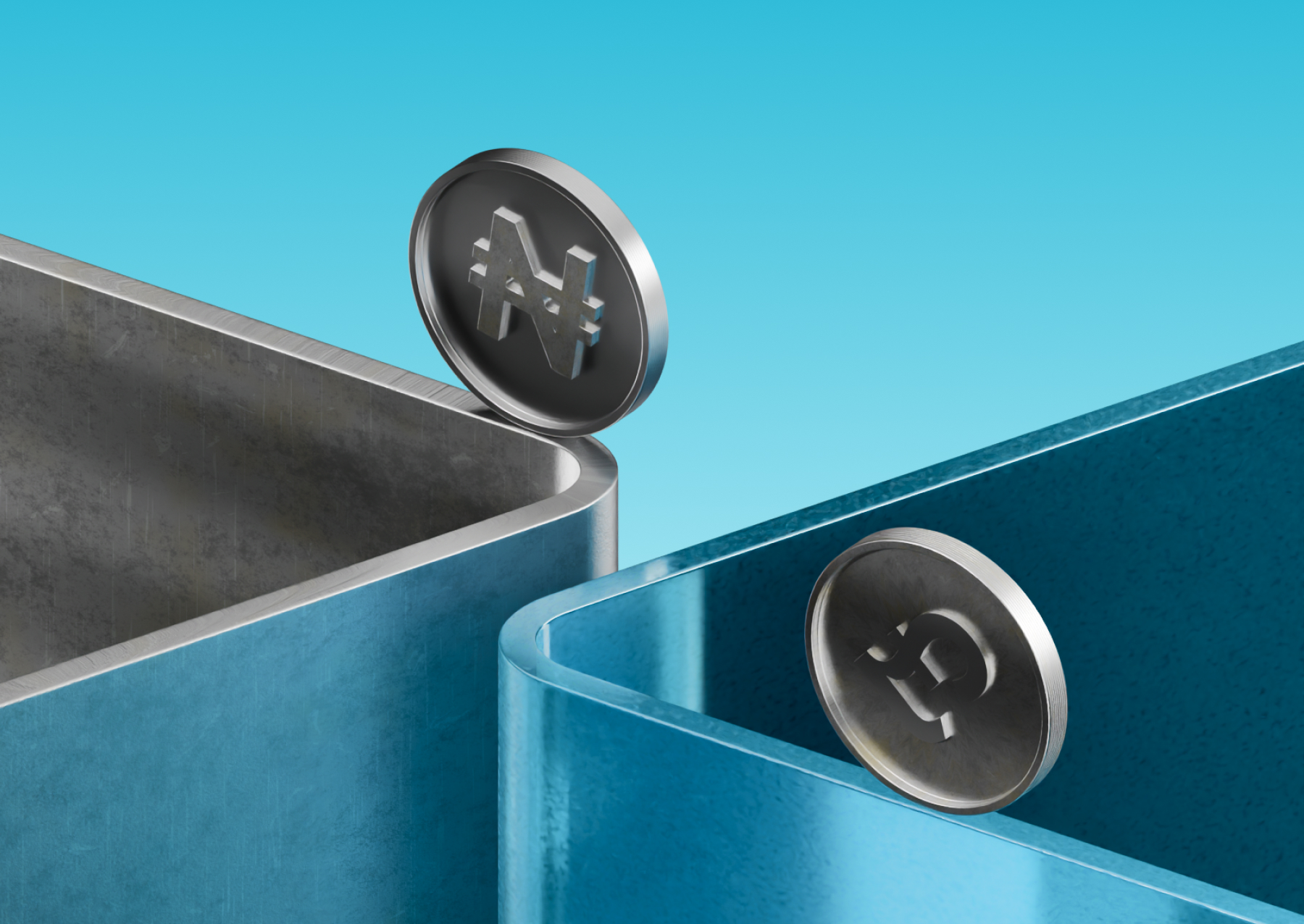
Card payments are usually charged in US dollars, and Nigerian naira cards are subject to Central Bank of Nigeria (CBN) foreign exchange spending limits. Naira cards were barred from international spending entirely for close to three years. When banks brought them back in July 2025, limits were very low. Some banks have since raised limits sharply, but caps and outages still vary bank to bank, and a card that works for a $50 sample order can fail on a $3,000 wholesale payment.
PayPal applies its own currency conversion markup on top of whatever Alibaba charges, and PayPal for Nigerian business accounts has coverage gaps that vary by supplier and order type.
That leaves wire transfer (T/T) as the fallback for many Nigerian buyers, which works, but comes with correspondent bank fees, an unfavourable exchange rate baked into the transfer, and processing that can run several business days, sometimes longer once intermediary banks are involved.
Why your naira card keeps getting declined
This is worth spelling out, because it's the single biggest source of failed Alibaba payments from Nigeria. It isn't a fraud flag or a supplier-side issue. Naira debit and credit cards draw from a domestic account that sits inside Nigeria's foreign exchange framework, and that framework limits how much can leave the country through card rails in a given period. Once you hit that ceiling, every transaction after it gets declined until the limit resets, regardless of your account balance.
A card funded from a foreign-currency wallet you control, rather than a naira account subject to a central bank spending cap, doesn't run into this problem in the same way. That's the gap a multi-currency corporate card is built to close.
Alibaba payment methods for Nigerian buyers, compared
Payment method | Best for | Advantages | What to watch for (Nigeria-specific) |
|---|---|---|---|
Naira debit or credit card | Very small sample orders | Fast, familiar checkout | Subject to CBN forex spending caps; declines once you hit the monthly/quarterly limit |
PayPal | Smaller orders were accepted | Familiar flow | Conversion markup on top of Alibaba's fee; coverage varies by supplier |
International wire transfer (T/T) | Large, one-off supplier payments | Works for high values, standard in B2B trade | Correspondent bank fees, FX markup, 3-7 day settlement common |
Multi-currency corporate card (e.g. Verto) | Repeat wholesale orders, samples and reorders alike | Spends from a currency wallet you fund and control, not a naira-account forex cap | Requires setting up a business account first; best suited to businesses paying suppliers regularly rather than a single one-off order |
The corporate card fix for repeat Alibaba orders
If you're a one-off buyer picking up a single small sample, a naira card or PayPal will probably get the job done. The friction shows up once you're placing wholesale orders regularly, restocking the same supplier, or running procurement across a team rather than a single founder's card.
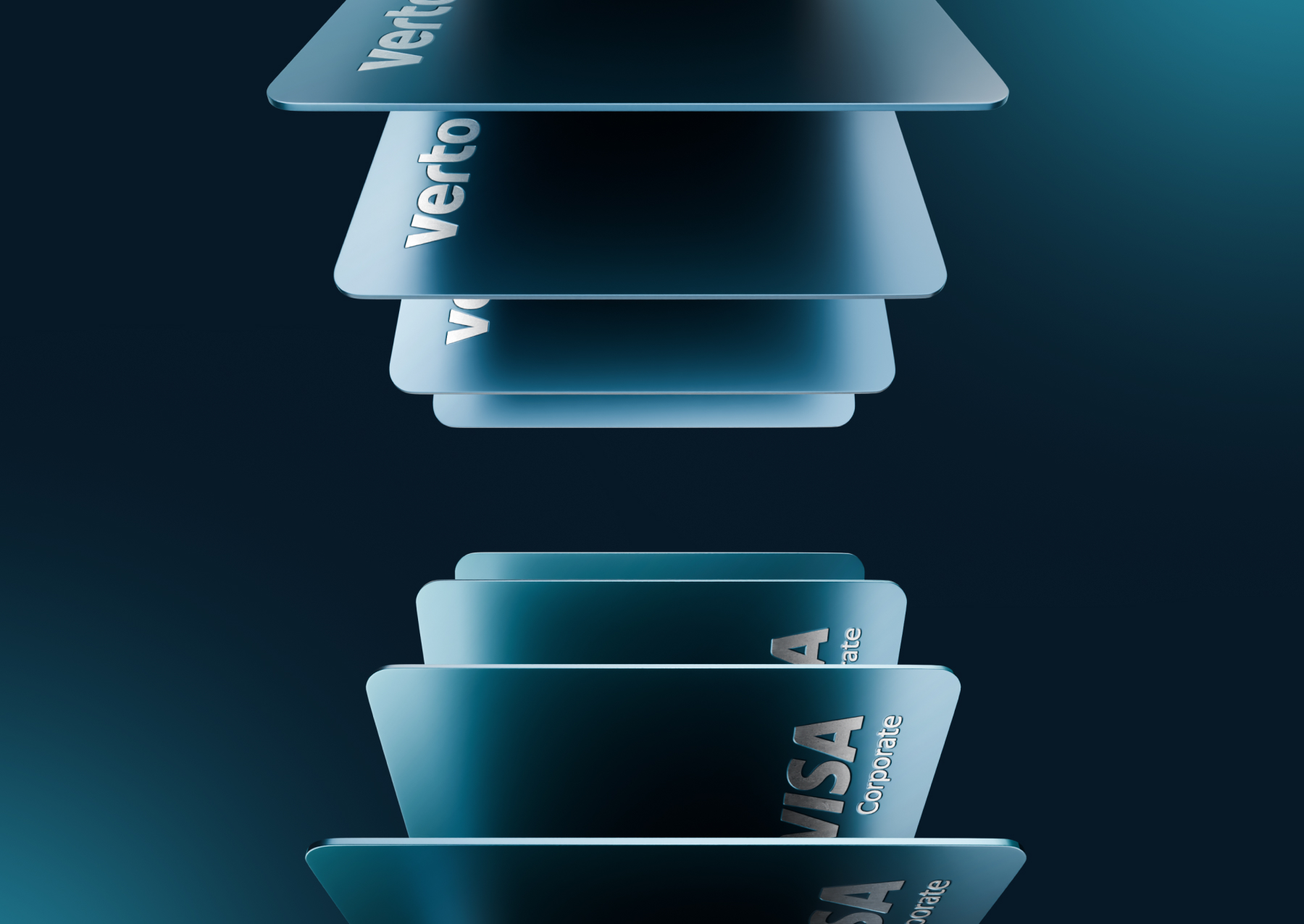
That's the use case a Verto Corporate Card is built for. The Verto Card is:
Funded by your own currency wallets, so you can hold and spend in US dollars (or any of 11 supported currencies) rather than routing every Alibaba payment through a naira account and its CBN spending cap.
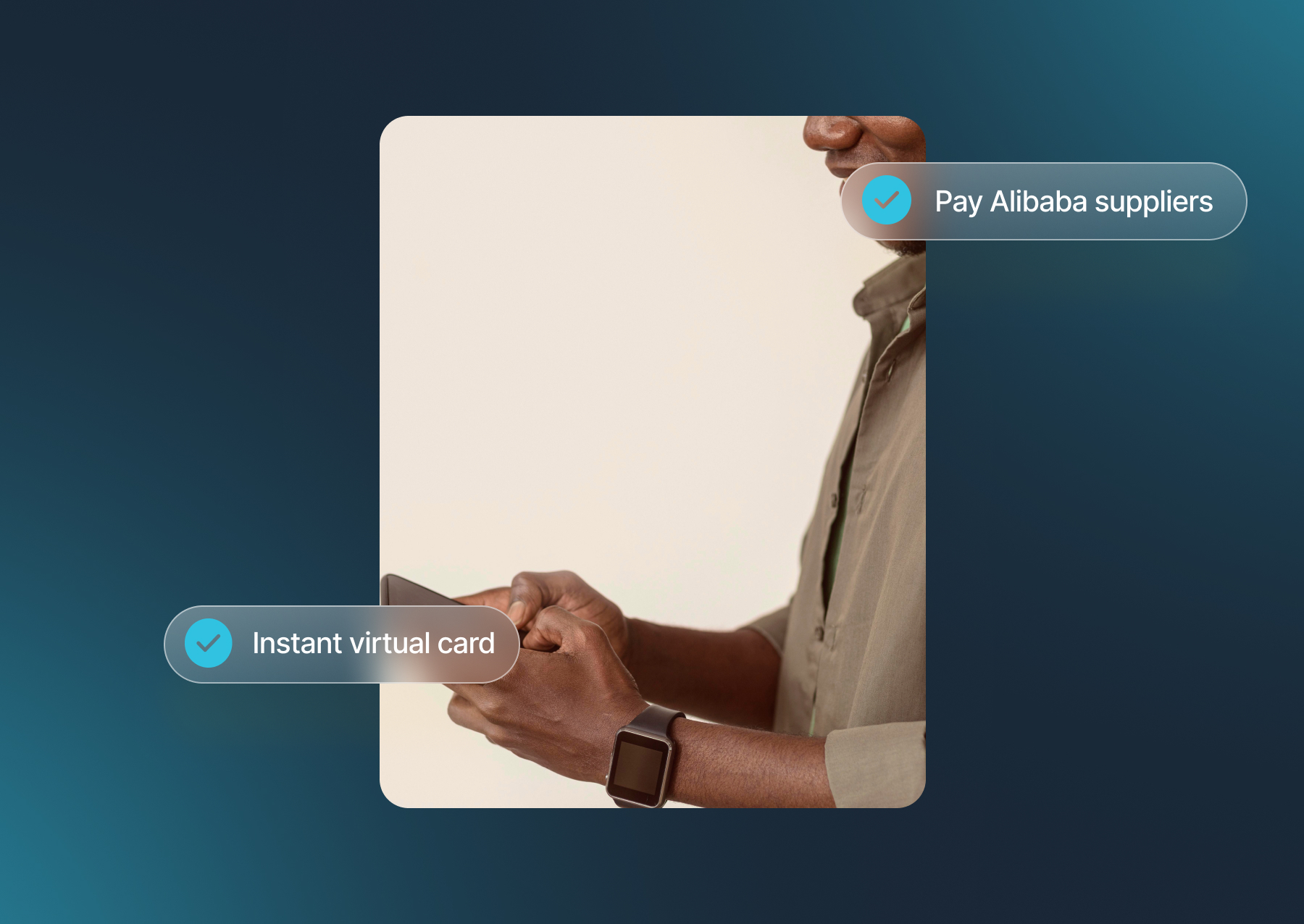
Instant virtual card issuance, so a new card for a new supplier or a new team member is ready the same day an order is confirmed, not after a physical card ships.
Spend controls per card, useful once more than one person is placing Alibaba orders. Set a limit per card, per supplier, or per project, and see every transaction as it happens rather than reconciling a shared card statement at month-end.
Backed by Visa, accepted in 140+ countries, so it works at Alibaba's checkout the same way any other card does, without a "will this get declined" moment.
Sits alongside your local NGN account, so you only convert naira to your spending currency when you actually need to, at Verto's FX rate rather than whatever your card issuer applies behind the scenes.
How to pay Alibaba suppliers from Nigeria without card declines or FX losses
FAQs
Read some commonly asked questions on how to make Alibaba payments:
What is the best way to pay Alibaba suppliers from Nigeria?
It depends on order size and frequency. A naira card can work for a small sample, but larger or repeat wholesale orders run into CBN forex spending caps. A multi-currency corporate card funded from a dollar wallet, or a wire transfer for a one-off large order, avoids that ceiling.
Why is my naira card declining on Alibaba?
Naira debit and credit cards are subject to Central Bank of Nigeria limits on international card spending. Once your monthly or quarterly cap is reached, further international transactions are declined until the limit resets, regardless of your account balance.
Is it safe to pay Alibaba suppliers by wire transfer?
It can be, particularly for larger orders, but verify the supplier's bank details independently first. For a new supplier, staying inside Alibaba's Trade Assurance checkout gives you protection a direct wire doesn't.
Does Alibaba accept Nigerian cards?
Alibaba's checkout accepts major card networks, but a Nigerian naira card can still be declined once it hits its foreign exchange spending limit, separate from whether Alibaba itself accepts the card.
What is Alibaba Trade Assurance?
Trade Assurance is Alibaba's buyer protection for orders placed and paid for through the platform, covering cases where product quality or ship date doesn't match what was agreed with the supplier.³
Can I use a Verto Corporate Card to pay Alibaba suppliers?
Yes. Fund a currency wallet, issue a virtual card, and use it at Alibaba's checkout the same way you would any other card, without routing the payment through a naira account's forex cap.
Share this article